• DE
  • EN
  • LPG Leisure Time
  • LPG Everyday
  • Liquid Media & Tank Management
  • General
  • About GOK
  • Product sales
  • Menu Menu
  • DE
  • EN
Suche
You are here: Home1 / Blog2 / 20173 / June

What is better: the gas hose made of rubber or plastic?

26. June 2017/in General, LPG Knowledge

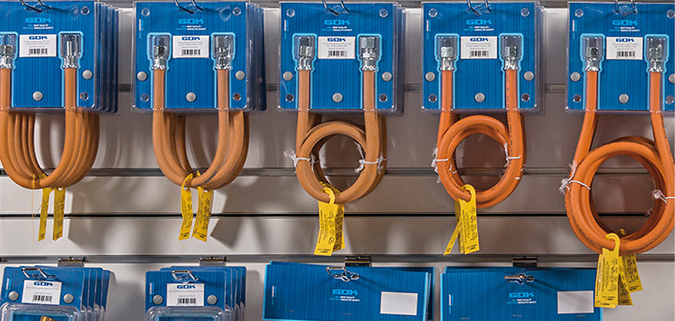
After a while, you take a look at your gas hose and see: It is so worn, porous or simply old that you absolutely have to replace it. You set out to visit the specialist shop, or find information online. In most cases, you can choose between a rubber or plastic hose assembly. But which is the right one? Read more
https://www.gok-blog.de/wp-content/uploads/2017/06/Titelbild-Schlauchleitung.jpg 375 675 GOK Media https://www.gok-blog.de//wp-content/uploads/2020/10/GOK-BLOG-Logo.svg GOK Media2017-06-26 07:00:592024-10-31 13:31:31What is better: the gas hose made of rubber or plastic?

Why is a butane or propane gas cylinder never filled to 100 percent?

19. June 2017/in Gas Regulator, Gas Cylinder & more, Gas Regulator, Gas Cylinder & more, General, LPG Everyday, LPG Knowledge, LPG Leisure Time

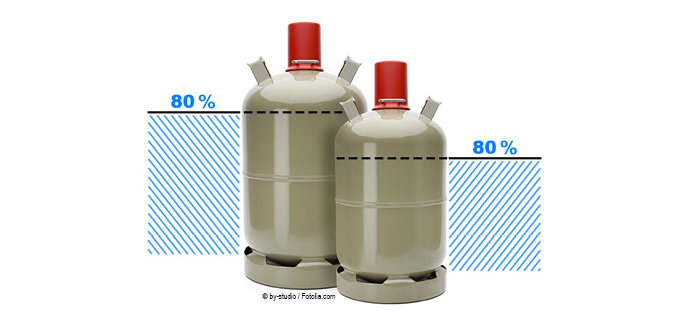
It’s a curious thing: You go to the LPG retailer or the DIY shop and want to replace your empty gas cylinder with a full one. But you get one back which is only 80 percent full. If you’re a bit of a conspiracy theorist, we’ll tell you now: There are very practical and important reasons why a butane and propane gas cylinder is never filled to 100 percent – for your own safety. Read more

https://www.gok-blog.de/wp-content/uploads/2017/06/Titelbild_Gasflasche_22.jpg 324 675 GOK Media https://www.gok-blog.de//wp-content/uploads/2020/10/GOK-BLOG-Logo.svg GOK Media2017-06-19 07:00:062022-04-14 11:04:49Why is a butane or propane gas cylinder never filled to 100 percent?

How does a hose break safety device work? – Functionality & Safety explained

12. June 2017/in Caravanning & Camping, Gas Regulator, Gas Cylinder & more, Gas Regulator, Gas Cylinder & more, Grill & BBQ, LPG Everyday, LPG in Commerce, LPG in Private Housholds, LPG Leisure Time, Marine

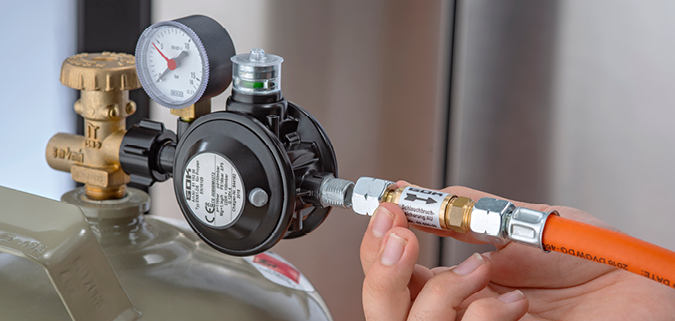
A hose rupture or a major leak can quickly become dangerous: within seconds, unburnt liquefied gas may escape uncontrollably. A hose break‑safety device (HBS) reliably protects in such cases by automatically interrupting the gas supply.
Read more

https://www.gok-blog.de/wp-content/uploads/2017/06/Titelbild_Wie-funktioniert-eine-Schlauchbruchsicherung.jpg 324 675 GOK Media https://www.gok-blog.de//wp-content/uploads/2020/10/GOK-BLOG-Logo.svg GOK Media2017-06-12 07:00:382025-09-08 15:39:37How does a hose break safety device work? – Functionality & Safety explained
  • Search

  • Filter

  • Category

  • Reset all filters

Information regarding technical systems

This blog will never ask members of the public or unqualified persons to make changes to or fiddle around with technical systems themselves.

In accordance with the Industrial Safety Regulation (BetrSichV), a qualified person must take care of a system which requires monitoring.

A qualified person is someone who has the specific specialist knowledge required. This knowledge is gained by way of a professional apprenticeship, corresponding professional experience or current occupational activity.

Please note that the texts are based on information, regulations and standards for Germany. Please always check the rules and regulations in the relevant country of destination and consult specialists if necessary.

Regler- und Armaturen-Gesellschaft mbH & Co. KG

Address

Obernbreiter Straße 2-18
97340 Marktbreit / Germany

Phone: +49 9332 404-0
Fax: +49 9332 404-49

Email: info@gok.de
Website: www.gok.de

Quick selection

  • LPG Leisure Time
  • LPG Everyday
  • Liquid Media & Tank Management
  • General
  • About GOK
  • Product sales
  • Legal notice
  • Image sources
  • Privacy policy
  • Cookie settings
Scroll to top Scroll to top Scroll to top