You’ve purchased a new gas barbecue or want to upgrade your current setup – but which components are actually needed to operate it safely with an LPG cylinder? And what do you need to consider?


Inhaltsverzeichnis
You’ve purchased a new gas barbecue or want to upgrade your current setup – but which components are actually needed to operate it safely with an LPG cylinder? And what do you need to consider?

You’ve purchased a new gas barbecue or want to upgrade your current setup – but which components are actually needed to operate it safely with an LPG cylinder? And what do you need to consider?
The path from the gas cylinder to the cooking grill involves several technical components – and for many private users, this is unfamiliar territory. Pressure regulators, gas hoses, and excess flow devices – these components are in some cases legally required and ensure that the gas appliance is not only supplied correctly, but also operated safely. But where does each part go? What types are available? And what differentiates a simple regulator from a safety device?
This guide explains how to connect your gas barbecue in compliance with applicable standards, which components you need, and what to know about replacement intervals and certification markings. The examples reference tried-and-tested GOK solutions – but they can generally be applied to all gas barbecue setups.
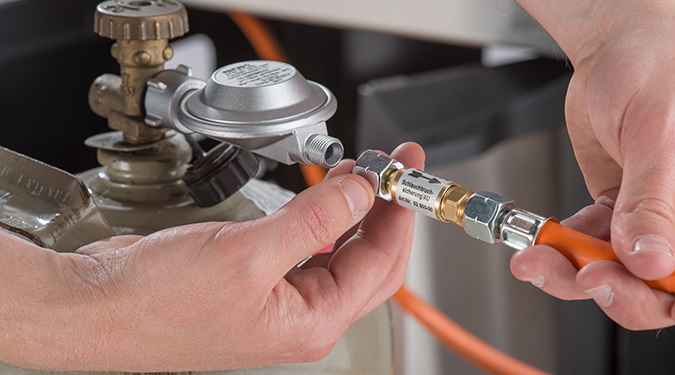
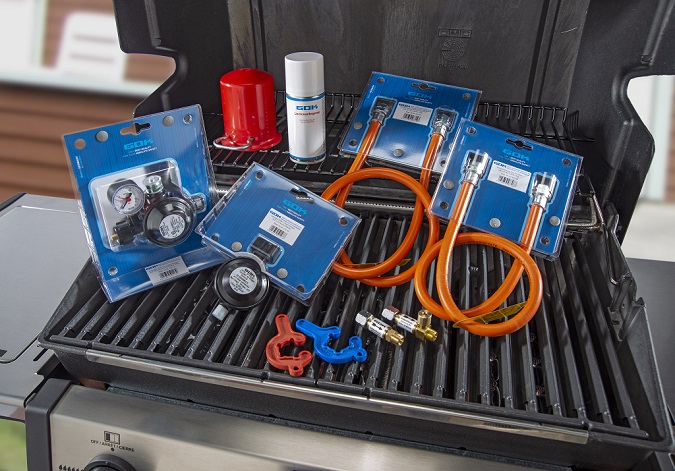
Several components must be correctly and securely connected between the gas cylinder and the barbecue. Only then can you ensure that the gas barbecue operates reliably, legally and safely. The following components are essential:
Optional:

It is essential that all components are compatible with each other and bear valid certification marks (e.g. CE, DVGW). Manufacturers typically supply gas barbecues with a basic setup: a standard pressure regulator and a plastic gas hose.
Many experienced users upgrade to higher-quality components with safety features shortly after purchase or during regular operation.
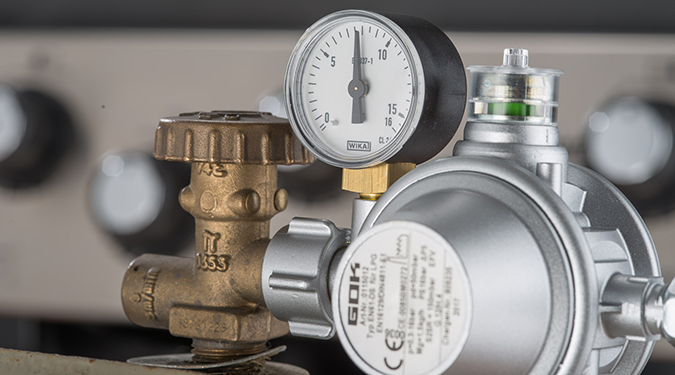
The pressure regulator – also called a pressure reducer – is the central component between the gas cylinder and the barbecue. It reduces the high cylinder pressure (usually around 7 bar) to the standard operating pressure of 50 mbar, commonly used for domestic gas barbecues in Germany.
Exception: If the barbecue is connected to an LPG system in a leisure vehicle, the user can choose between 30 or 50 mbar – depending on the system’s design.
Other countries may use different gas pressures, typically between 29 and 37 mbar.
Simple vs. Safety Pressure Regulators
There are two main types available:
Single-stage or two-stage version?
Legally, a single-stage regulator is sufficient for gas barbecues. Nevertheless, upgrading to higher-quality components can make sense – especially based on personal safety preferences.
Important: The regulator must match the cylinder type, connection thread and form (e.g. 5 or 11 kg cylinder with W21.8×1/14 LH thread, often abbreviated as KLF or G.12 connection).

The gas hose connects the regulator to the barbecue and plays a key role in safety – yet it’s often overlooked. Weather exposure, UV radiation and mechanical stress make it particularly prone to wear.
Choosing the right hose
When purchasing, consider the following:
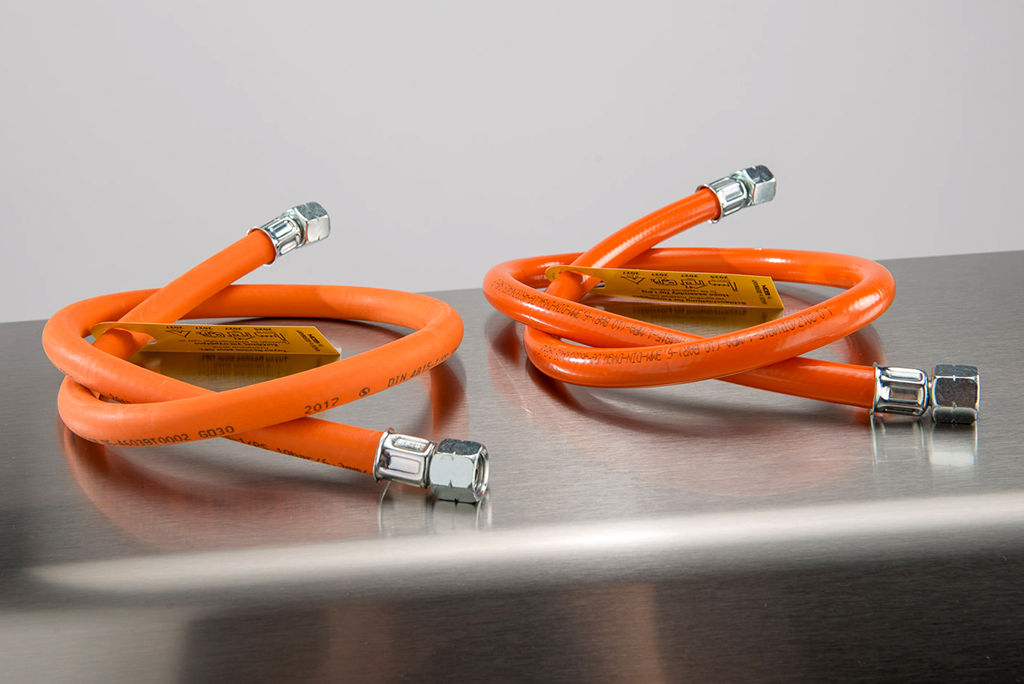
As stated, it is legally required for hoses of 150 cm or longer. It prevents uncontrolled gas leaks in case of major hose damage or disconnection. Even for shorter hoses, it is highly recommended – especially with frequent use or exposed, hard-to-reach installations.

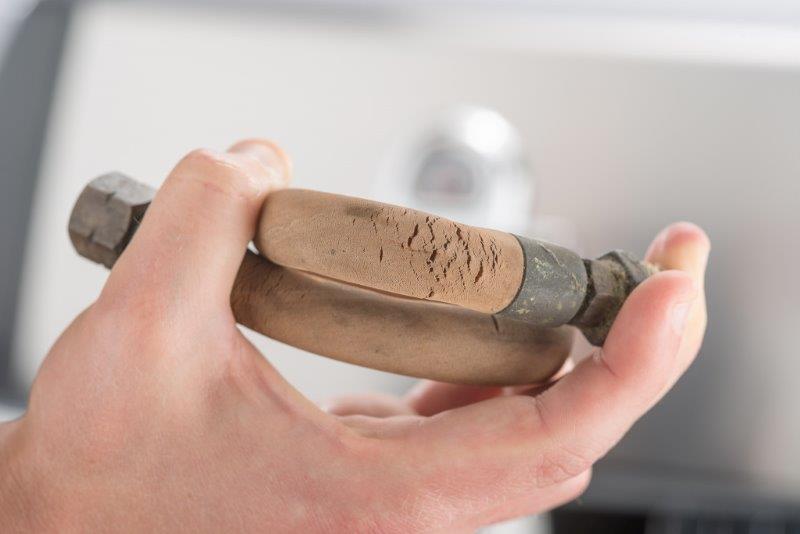
Gas hoses are wear parts and must be:
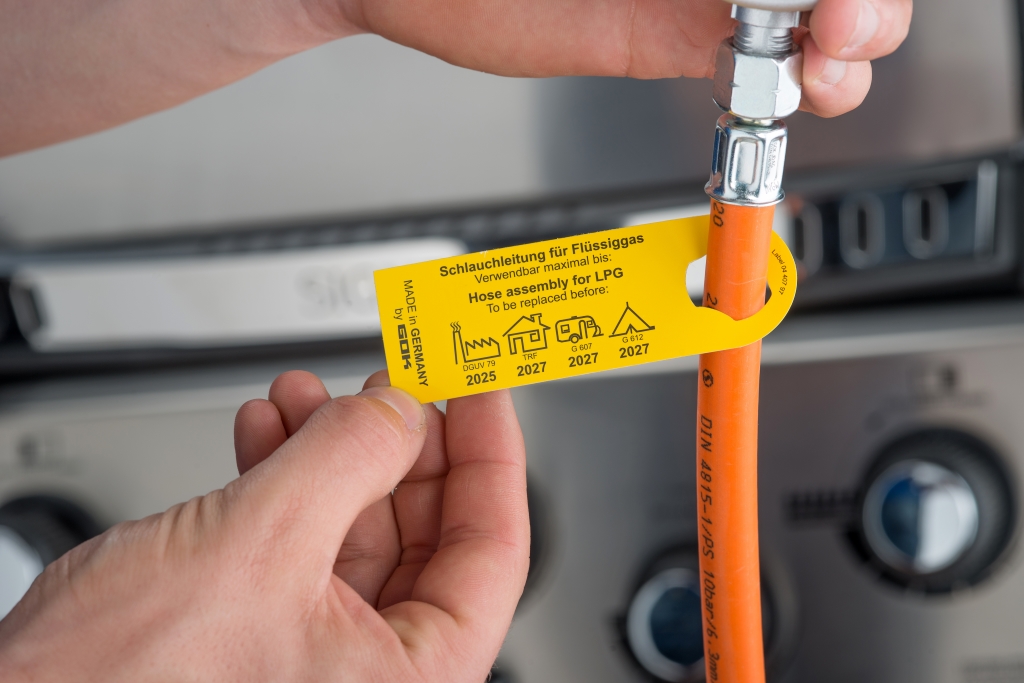
GOK offers an additional service: a yellow tag that clearly states the latest replacement date, depending on usage conditions.
Sometimes, barbecues share the gas supply with other appliances such as pizza ovens, patio heaters or a second barbecue. These setups require special safety measures.
To operate multiple appliances, a distribution system is required – usually a branch stop valve mounted downstream of the pressure regulator.
Safety requirements
When using multiple appliances:
Recognising wear and replacing components in time
LPG systems in leisure use experience natural wear – especially when used outdoors. Weather, UV light, mechanical stress and even animal bites can damage hoses, regulators and fittings.
Check components regularly:
According to DVGW worksheet G 612:
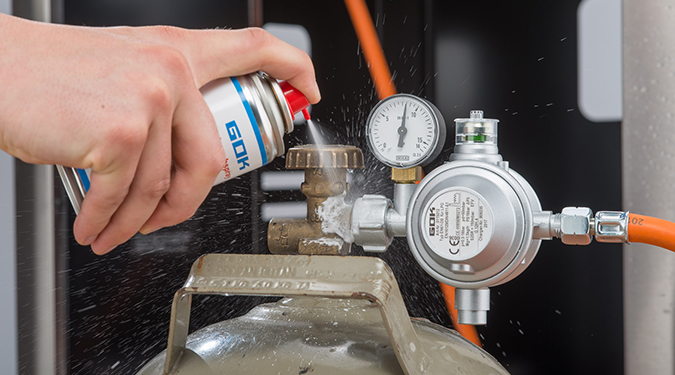
Although private individuals may perform basic installations themselves, a specialist should be consulted in case of uncertainty or visible damage. A simplified leak test with leak detection spray or soapy water can help identify leaks.
Important for all gas barbecue users: As per DVGW worksheet G 612, all LPG leisure systems must be tested and maintained according to the appliance operating instructions. The user is responsible for this!

Connecting a gas barbecue to an LPG cylinder is not rocket science – but proper execution is key for safe and legal use. Those who rely on approved, tested components, inspect them regularly and replace them when necessary, lay the foundation for safe operation.
Pressure regulators, gas hoses, connectors, valves and excess flow devices form an integrated safety system, where each part plays a vital role. While basic setups are often supplied as standard, upgrading to higher-quality components is usually worthwhile – for both safety and durability.
This blog will never ask members of the public or unqualified persons to make changes to or fiddle around with technical systems themselves.
In accordance with the Industrial Safety Regulation (BetrSichV), a qualified person must take care of a system which requires monitoring.
A qualified person is someone who has the specific specialist knowledge required. This knowledge is gained by way of a professional apprenticeship, corresponding professional experience or current occupational activity.
Please note that the texts are based on information, regulations and standards for Germany. Please always check the rules and regulations in the relevant country of destination and consult specialists if necessary.