
Both butane and propane gas cylinders are never filled with 100 percent. As a gas cushion is required above the liquid phase to withdraw the propane or butane, the gas cylinder is filled with a maximum of 80 percent of the volume.
Why is a butane or propane gas cylinder never filled to 100 percent?
Category: Safety
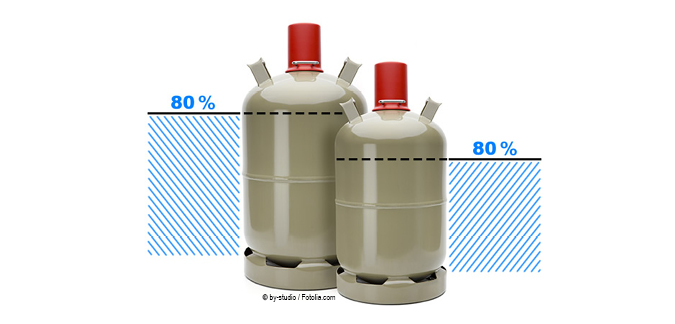
It’s a curious thing: You go to the LPG retailer or the DIY shop and want to replace your empty gas cylinder with a full one. But you get one back which is only 80 percent full. If you’re a bit of a conspiracy theorist, we’ll tell you now: There are very practical and important reasons why a butane and propane gas cylinder is never filled to 100 percent – for your own safety.
© Pixabay.com
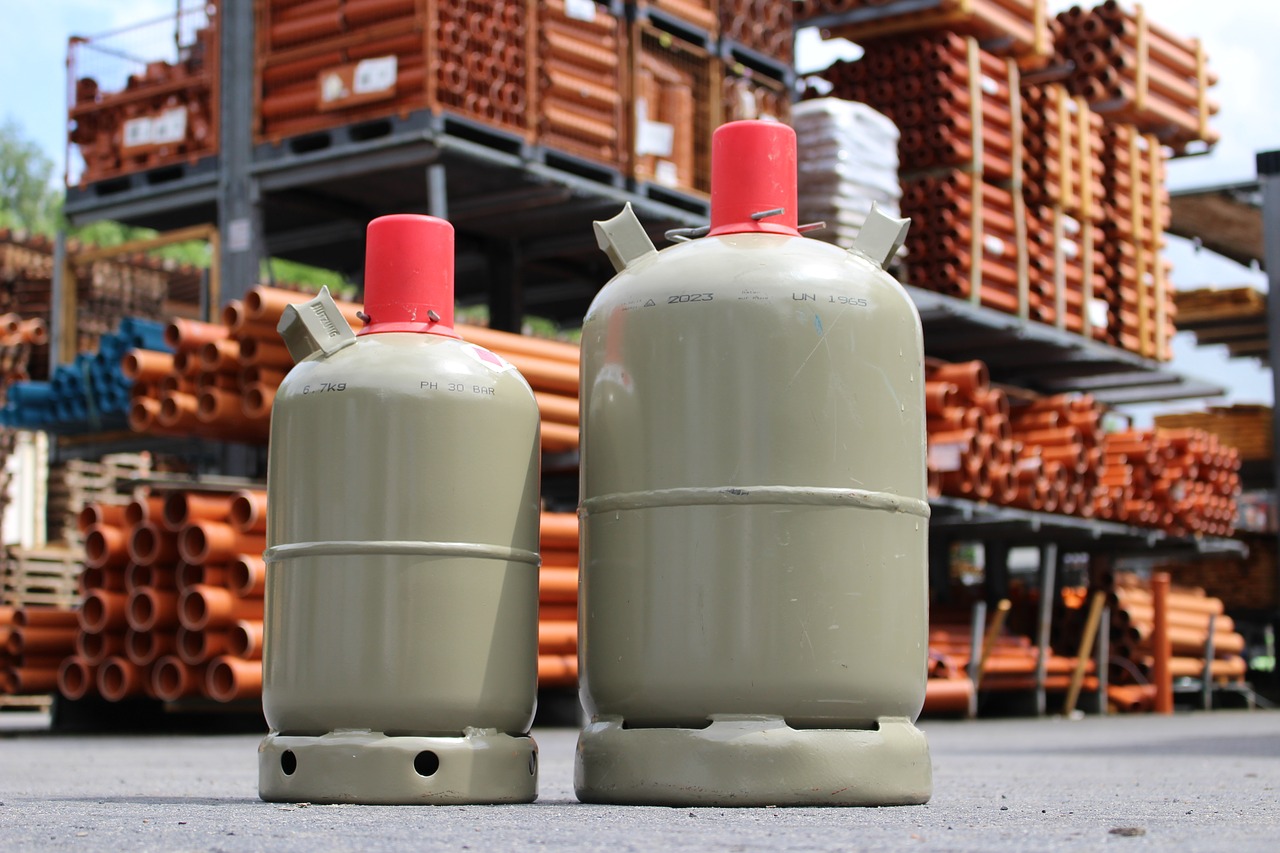
LPG cylinders filled with propane, butane or a mixture of the two are very popular, versatile and mobile sources of energy. If you, as a private individual, need a gas cylinder for barbecuing with gas , for camping, heating or cooking, you usually select a cylinder with a filling weight of 5 or 11 kilograms.
20 percent more
You will always also get this net weight of LPG from your refiller on your way home; however, a lot more than just the 5 or 11 kilograms would fit into the cylinder. The cylinder has approx. 20 percent more capacity.
Ergo: LPG cylinders are always filled up to a maximum of 80 percent – never any more. There are two reasons for this golden rule:
-
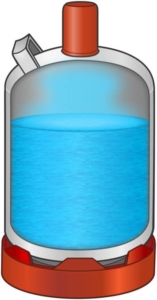
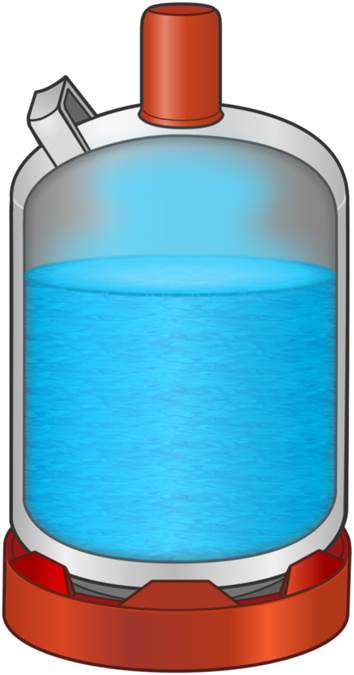
Gas cushion in the gas cylinder When filling the cylinder, propane, butane and mixtures of the two are liquid. However, you need a gaseous phase for all applications such as barbecuing, cooking or heating. This can only form if there is free capacity in the container. This allows the LPG to evaporate and form a gas cushion which is suitable for supplying the connected gas equipment.
- The liquid phase of a gas expands even faster than the gas phase in the event of a rise in temperature. If the cylinder is 100 percent filled with liquid phase and the temperature rises, the cylinder is likely to burst.
Never fill butane or propane gas cylinder yourself
You see that there are good reasons why a butane or propane cylinder is never filled with 100 percent. So you don’t have to keep a close eye on your filler next time; the specialists know what they’re doing.
Please also note that you may not fill or refill gas cylinders yourself. Here is some information from the German LPG Association (DVFG): DVFG specialist information on “Filling gas cylinders/tank cylinders at public filling stations”.
You might also find this interesting


This blog will never ask members of the public or unqualified persons to make changes to or fiddle around with technical systems themselves.
In accordance with the Industrial Safety Regulation (BetrSichV), a qualified person must take care of a system which requires monitoring.
A qualified person is someone who has the specific specialist knowledge required. This knowledge is gained by way of a professional apprenticeship, corresponding professional experience or current occupational activity.
Please note that the texts are based on information, regulations and standards for Germany. Please always check the rules and regulations in the relevant country of destination and consult specialists if necessary.