
We must differentiate between fixed and mobile gas heaters on boats. GOK shows you what is permitted for heating according to DVGW worksheet G 608 and what is not.
Inhaltsverzeichnis
We must differentiate between fixed and mobile gas heaters on boats. GOK shows you what is permitted for heating according to DVGW worksheet G 608 and what is not.
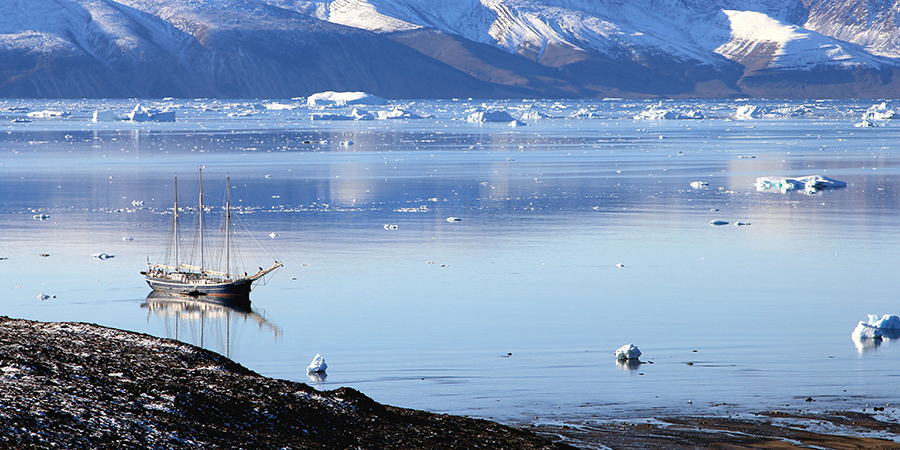
Even if you have not yet planned to sail around the world or completed such an adventure, you will have noticed that it can be quite cold from time to time on the high seas. To prevent anyone freezing below deck, a heater operated with LPG may be the answer. However: Is this allowed?
As always, when it comes to questions about the gas supply on boats and ships, it’s worth taking a look at worksheet G 608 of the German Technical and Scientific Association for Gas and Water (DVGW).At the latest when you read through the working title of the G 608 – “Small water crafts – Operating and testing the LPG system” – everyone is aware that they should find an answer to their question here.
While there is nothing specific about heating in the worksheet, there is more about gas equipment in general.Appliances operated with LPG must have a CE marking and comply with the requirements of DIN EN ISO 10239.
Quite a few people have already done it – turning on the gas stove when it gets cold. Worksheet G 608 has an unmistakable specification for this kind of “indirect” measure: “The use of cooking, barbecue and baking devices to heat a room is not permitted.”
And last but not least, it’s an enormously important point, even if it sounds banal:
The skipper must operate and maintain the gas equipment in accordance with the manufacturer’s instructions. So you must read the assembly and operating manual carefully, keep them in a safe place and comply with the requirements.
We have to differentiate when discussing whether gas heating is now permitted on boats. Of course, hot air and/or hot water heating systems are permitted when they are integrated as a fixed feature in the LPG installation of the water craft. It is a bit more difficult for mobile heaters.
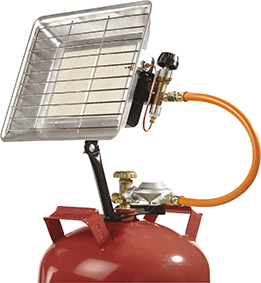
One thing is certain: Catalyst ovens, radiant heaters and infra-red heaters, i.e. all devices requiring a gas cylinder, are not permitted. Gas cylinders have no place below deck and must be housed in the ventilated (gas) cylinder case. The alternative is heaters that you operate with a commercially available gas cartridge. Such heaters are not prohibited, however: The manufacturer’s information must always be observed and complied with! In most cases, these require that the devices are only used on a stable, heat-resistant surface and if the room is sufficiently ventilated.
This blog will never ask members of the public or unqualified persons to make changes to or fiddle around with technical systems themselves.
In accordance with the Industrial Safety Regulation (BetrSichV), a qualified person must take care of a system which requires monitoring.
A qualified person is someone who has the specific specialist knowledge required. This knowledge is gained by way of a professional apprenticeship, corresponding professional experience or current occupational activity.
Please note that the texts are based on information, regulations and standards for Germany. Please always check the rules and regulations in the relevant country of destination and consult specialists if necessary.


