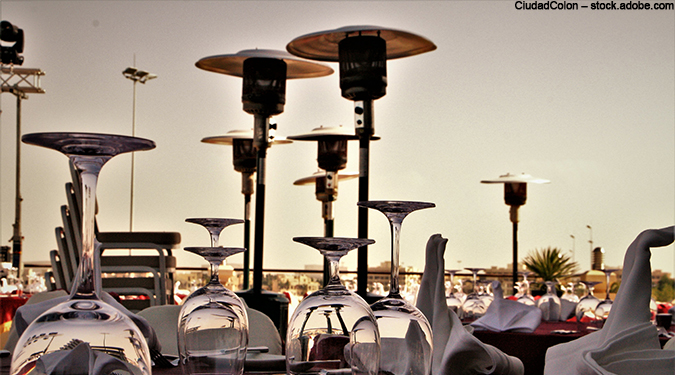
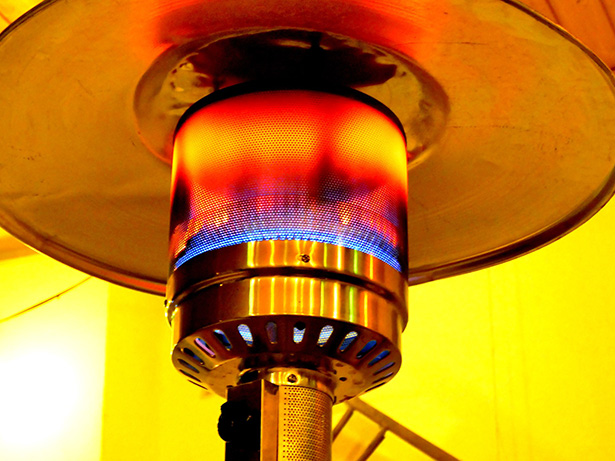
Should we allow or prohibit gas-operated outdoor heaters and radiant heaters in the outdoor areas of hospitality businesses? For years now, cities and municipalities have asked themselves this question.
The discussion is now becoming more of a hot topic because of coronavirus. The existence of some hospitality businesses is in danger if guests have to stay away. With gas heaters, some businesses would be able to open their outdoor areas even at cooler temperatures.
Post Views:97
Devices operated with LPG, such as outdoor heaters, radiant heaters or patio heaters, are not generally prohibited for hospitality, bars and pubs; it depends on the regulations for the respective city or municipality. However, coronavirus might cause this to change (as at September 2020).
Help for hospitality
In order to support the suffering hospitality sector, politicians, stakeholders and associations are currently discussing about allowing outdoor heaters, radiant heaters and patio heaters operated using LPG in outdoor areas until further notice, where they are currently prohibited.
This means that, for example, restaurants, bars and pubs may use the devices to make their outdoor areas a bit more comfortable for their guests. The heaters provide good heat, for example, in autumn as the days gradually get cooler.
Currently at the centre of the discussions between politicians, committees and interest groups: Outdoor heaters and gas heaters.
More turnover thanks to gas heaters
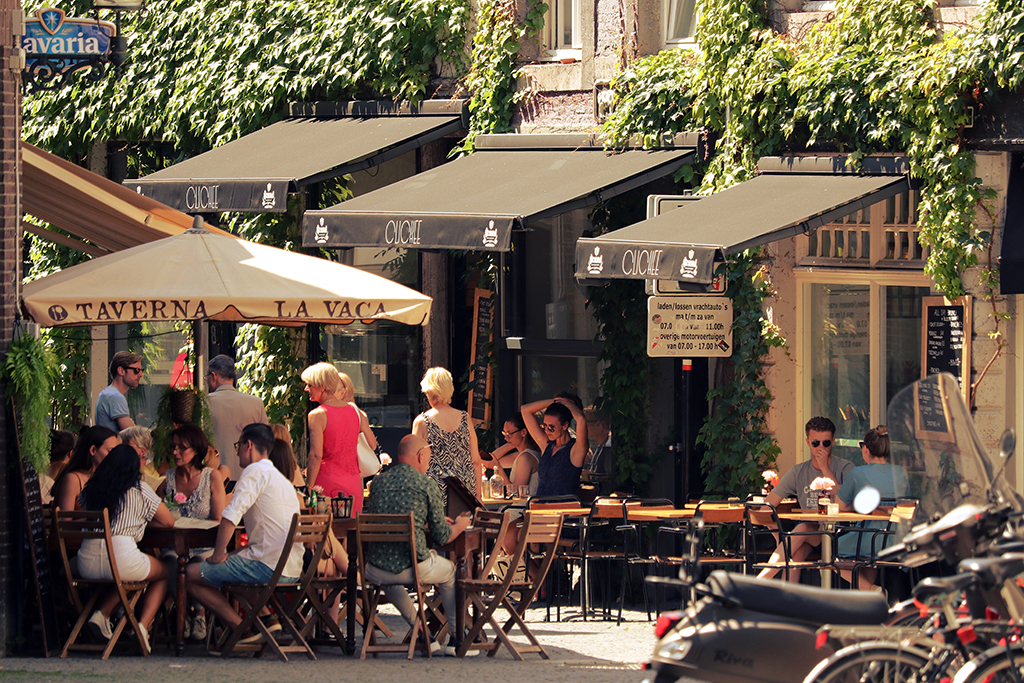
This means that hospitality businesses can have more trade in their outdoor areas for longer, which will lead to more sales. An important source of revenue, as almost all companies have lost usable space indoors because of the hygiene regulations.
Benefits for guests
The guests also benefit: There is more capacity available; tables in favourite pubs are not fully booked for weeks on end. In addition, there are many who prefer to enjoy food, a drink or spending a coffee break with friends in the fresh air. This is possible thanks to heating equipment such as outdoor heaters, radiant heaters or patio heaters, because guests are supplied with comfortable heat when the outside temperatures fall.
The longer the outdoor areas can be used, even at lower temperatures, the better for the hospitality sector. Outdoor heaters or radiant heaters with LPG can be beneficial here.
Before now, cities have prohibited the operation of these heaters in the commercial sector, as they are deemed to be hazardous to the environment. In contrast to this, the operation of gas heaters and similar devices by private individuals is virtually unrestricted.
And here comes the “But”: Of course, operators must continue to observe the basic rules for the safe handling of gas heaters – both for commercial and private use:
Now, we summarise important points from this article:
Do not operate gas heaters in enclosed rooms – check the operating manual!
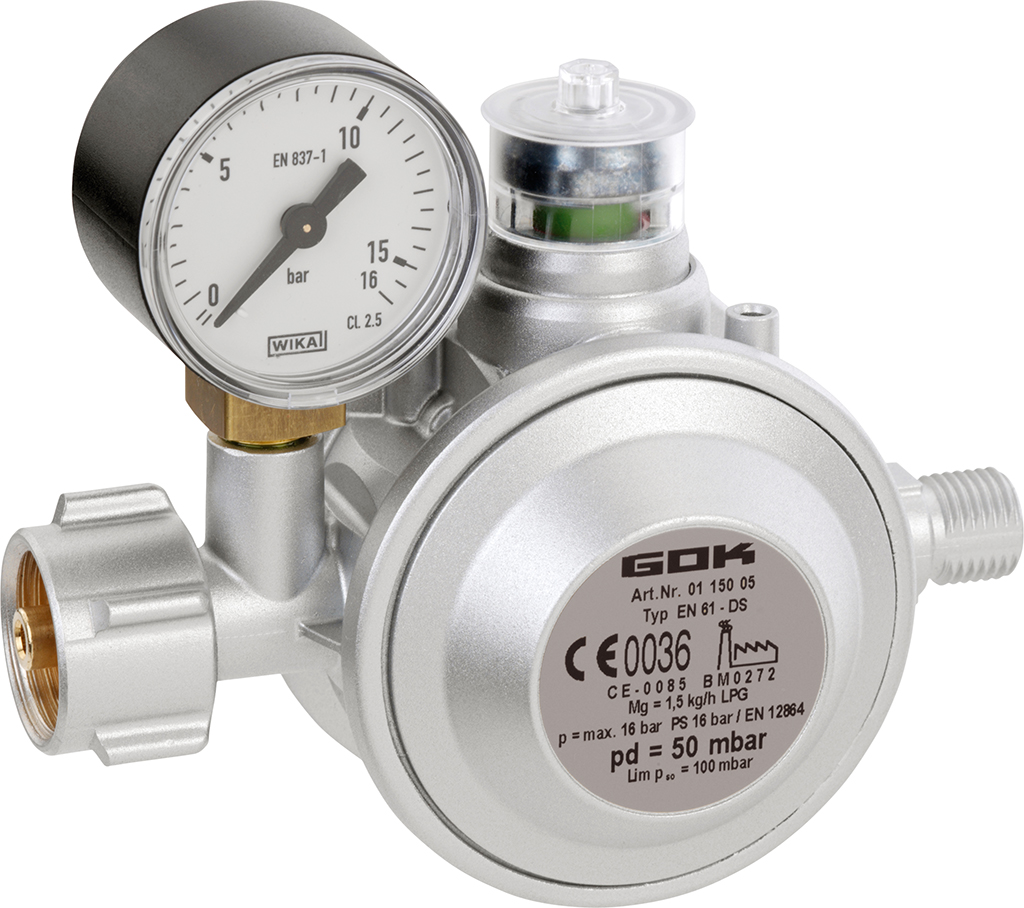
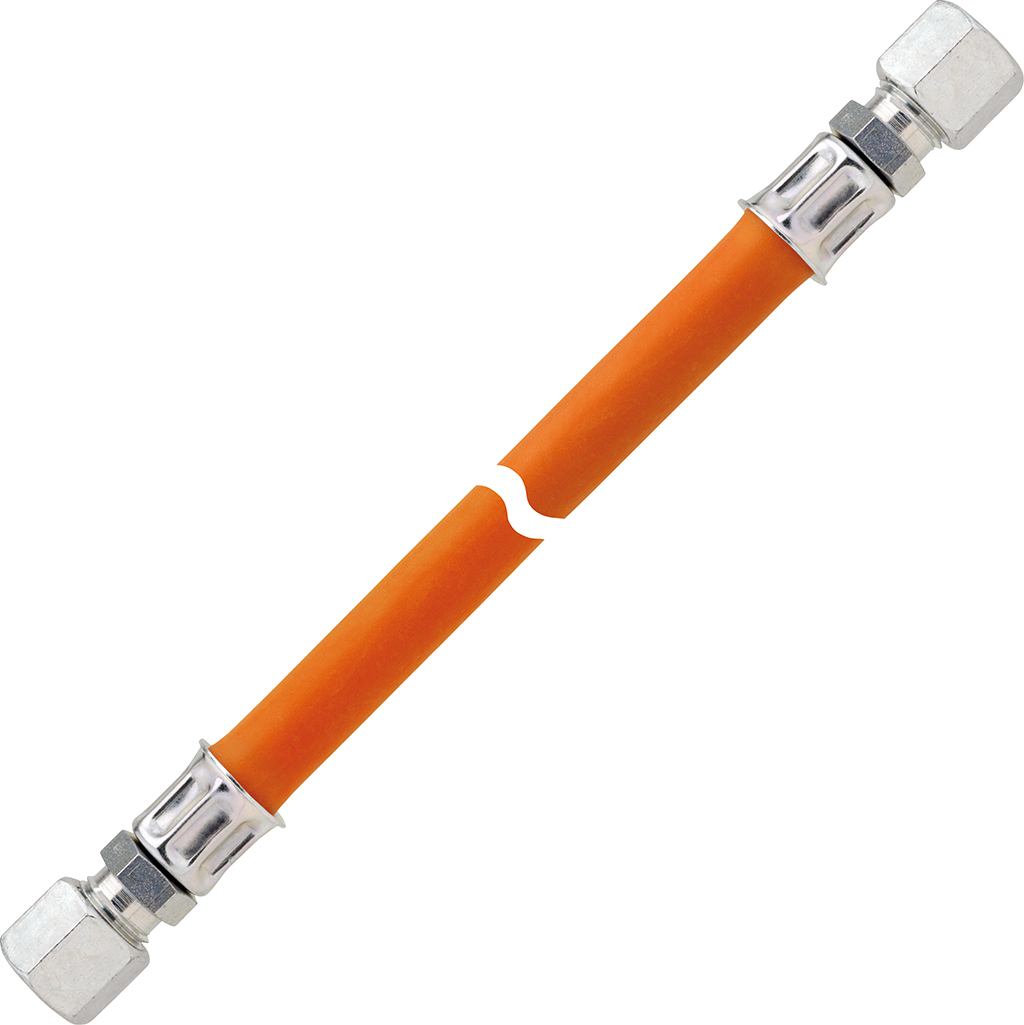
Pressure reducers (pressure regulators), hose assemblies and accessories must meet the regulatory requirements of the application.
Observe replacement periods!
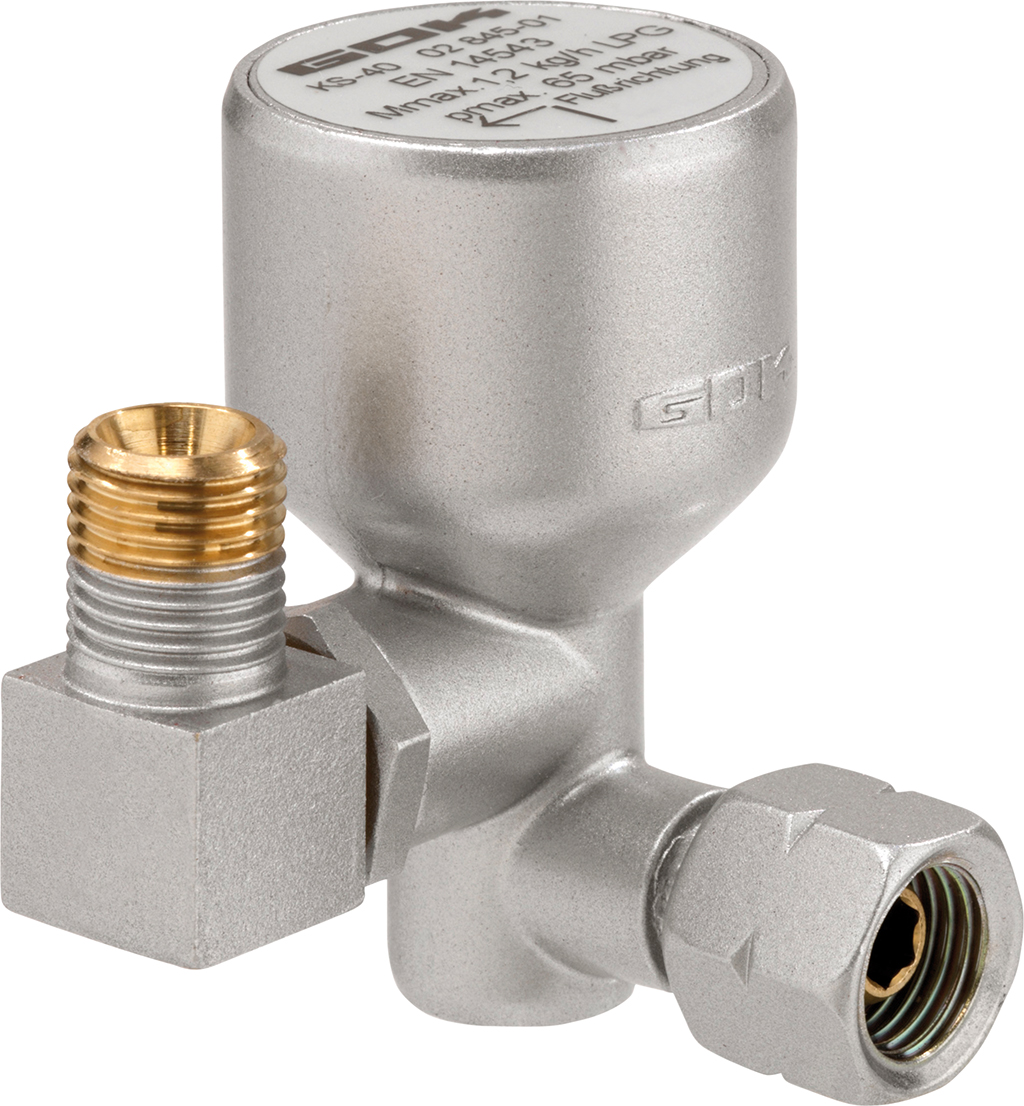
Excess flow devices may be mandatory!
Under certain circumstances, the gas anti-tilt device is mandatory for commercial and private use!
Conclusion + two recommendations
Due to the coronavirus and its consequences for the hospitality sector, there is the possibility that the existing ban on gas heaters in the commercial sector might be cancelled temporarily. Firstly, hospitality businesses benefit from this as well as their guests.
Recommendation 1: If you, as a business owner, are planning to use a gas heater, please contact your local or city administration beforehand to find out whether you are allowed to do this at all. You can either do your research online or pick up the phone and call the responsible department.
Recommendation 2: Despite the easing of restrictions, hospitality business owners must ensure safe operation of the LPG systems. These include, in particular, compliance with the regulatory requirements and the use of correct system components such as pressure reducers, gas hoses, excess flow devices or gas anti-tilt devices.
The articles are written by specialist authors in the fields of LPG, fuel oil, liquid media, tank management and safety engineering, who contribute their expertise from product management, development, technical customer support, training and standardisation activities.
The members of the editorial team have many years of practical experience in the planning, application and further development of technical solutions for the safe supply of LPG and liquid fuels. Several authors are actively involved in specialist committees and working groups of the DVGW, DVFG and figawa, as well as in national and European standardisation committees. The team includes, among others, experts certified in accordance with G 607 and G 608, competent persons in accordance with the TRF, and specialists who contribute to the development and evaluation of technical regulations and industry standards.
In addition to providing information about GOK products and solutions, the editorial team focuses on sharing knowledge relating to safety, regulations, maintenance, operation and future technologies in the field of LPG and liquid media.
Share this post
Related articles
What is to be taken into account when operating gas-powered outdoor heaters, radiant heaters, patio heaters at home and in the commercial industry/hospitality industry?
Home & Commercial
You might also find this interesting
How does a PRV pressure relief valve work?
Camping & Leisure, Home & Commercial, Safety
Which pressure regulator do I need for which output?
Camping & Leisure, Grill & BBQ, Home & Commercial
How do I know when I need to replace the components of my LPG system?
Camping & Leisure, Grill & BBQ, Home & Commercial
Where can I find operating manuals for GOK products?
Camping & Leisure, Grill & BBQ, Home & Commercial, Tank & Liquid Media
From what length of hose assembly do I need an excess flow device?
Camping & Leisure, Grill & BBQ, Home & Commercial
Which pressure regulator connections exist for LPG cylinders in Europe?
Camping & Leisure, Grill & BBQ, Home & Commercial
How can I release an OPSO (SAV)?
Home & Commercial
What is an OPSO (SAV) and how does it work?
Home & Commercial
Does the pressure regulator gauge show the filling level of the LPG cylinder?
Camping & Leisure, Grill & BBQ, Home & Commercial
Does the gas have to be discharged out of the line before releasing the OPSO (SAV)?
Home & Commercial
How do I carry out a simplified leak check on an LPG cylinder system?
Camping & Leisure, Grill & BBQ, Home & Commercial
What is the heating value of media such as fuel oil, LPG and natural gas?
Home & Commercial, Tank & Liquid Media
This blog will never ask members of the public or unqualified persons to make changes to or fiddle around with technical systems themselves.
In accordance with the Industrial Safety Regulation (BetrSichV), a qualified person must take care of a system which requires monitoring.
A qualified person is someone who has the specific specialist knowledge required. This knowledge is gained by way of a professional apprenticeship, corresponding professional experience or current occupational activity.
Please note that the texts are based on information, regulations and standards for Germany. Please always check the rules and regulations in the relevant country of destination and consult specialists if necessary.