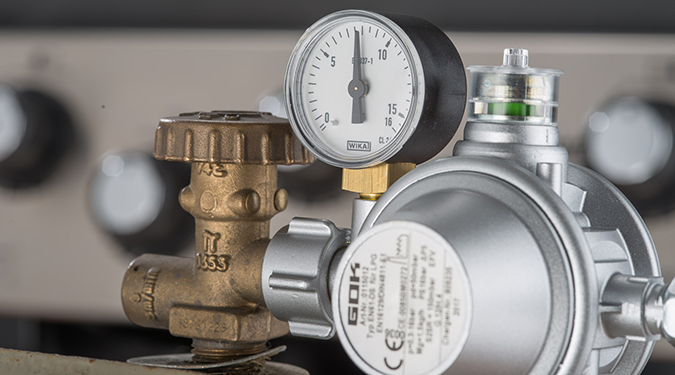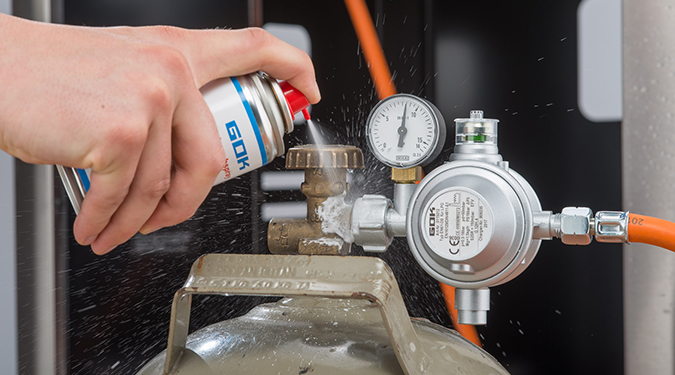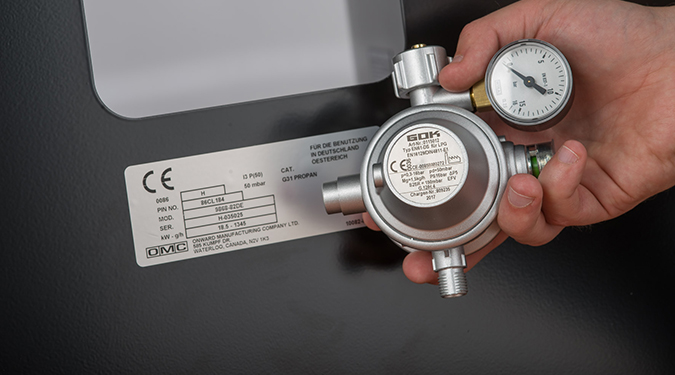
Spectacular coastal roads, historic cities, and rugged landscapes – Great Britain is a dream destination for campers. To ensure a smooth journey, driving on the left and a safe gas supply are essential.
Inhaltsverzeichnis
Spectacular coastal roads, historic cities, and rugged landscapes – Great Britain is a dream destination for campers. To ensure a smooth journey, driving on the left and a safe gas supply are essential.

Spectacular coastal roads, historic cities, and rugged landscapes – Great Britain is a dream destination for campers. To ensure a smooth journey, driving on the left and a safe gas supply are essential.
Anyone travelling to Great Britain with a motorhome or caravan should familiarise themselves in advance with the specific features of the gas supply. Connections, cylinder systems, and legal requirements can differ significantly from Germany. With the right preparation, you can avoid supply gaps and travel with peace of mind – whether for a weekend in England or a multi-week tour through Scotland and Wales.
In Great Britain, the standard BS EN 1949 applies to the installation and operation of LPG systems in motorhomes and caravans. Among other things, it stipulates that the standard supply pressure has been 30 mbar since 2003 – identical to the European EN 1949. Older systems with 50 mbar may continue to be used as long as they are technically sound.
Work on the gas system may only be carried out by companies registered with Gas Safe that hold a specific LPG approval for leisure vehicles. Gas Safe is the only official gas registration body for gas businesses and engineers in the United Kingdom, on the Isle of Man, Jersey, and Guernsey. By law, all gas businesses must be listed in the Gas Safe Register.
The inspection of the gas installation or gas safety inspection is carried out by a certified Gas Safe Registered Engineer. If you require a repair or modification while on the road, you should specifically look for such companies.
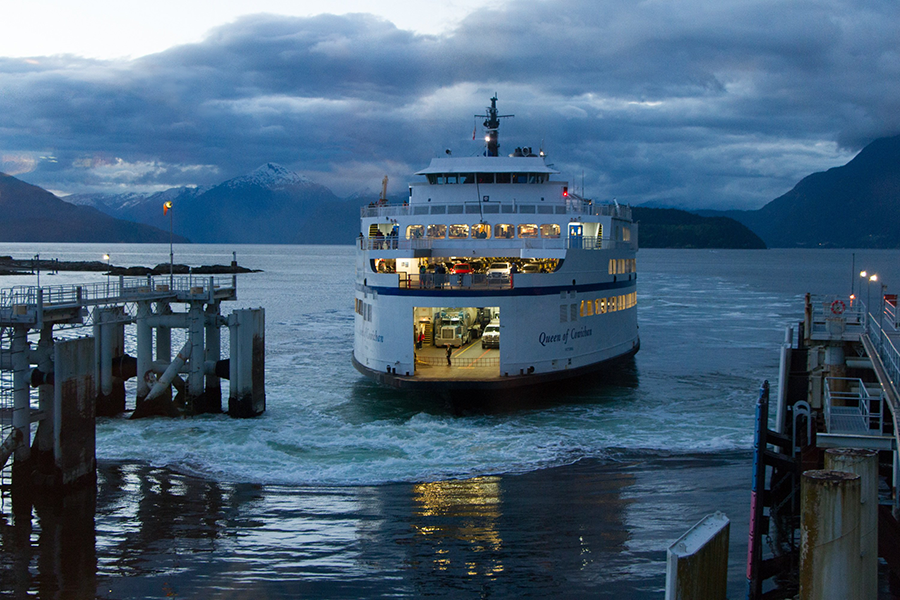
When entering by ferry or Eurotunnel, special safety regulations apply:
It is advisable to check the exact rules of your chosen ferry company or tunnel operator before travelling and to plan extra time for the safety checks.
In Great Britain, propane and butane are most commonly used. Propane is suitable for year-round use, as it vaporises even at sub-zero temperatures. Butane is cheaper, but loses its gaseous form below 0 °C – meaning no vaporisation occurs – and is therefore only suitable for warmer seasons.
The main suppliers are Calor Gas, Flogas, and Campingaz. Calor and Flogas operate an exchange system with rental cylinders, where you pay a deposit and the first filling. Campingaz cylinders are available throughout Europe but are significantly more expensive and smaller, making them more of an emergency option.
Important: German cylinders cannot be exchanged or legally refilled in Great Britain. For longer trips, you should therefore rent a British cylinder locally or use a refillable system. Cylinder sizes vary – 13-kg propane cylinders are widespread and usually fit into the gas compartments of German vehicles, but it is still advisable to check size and weight in advance.
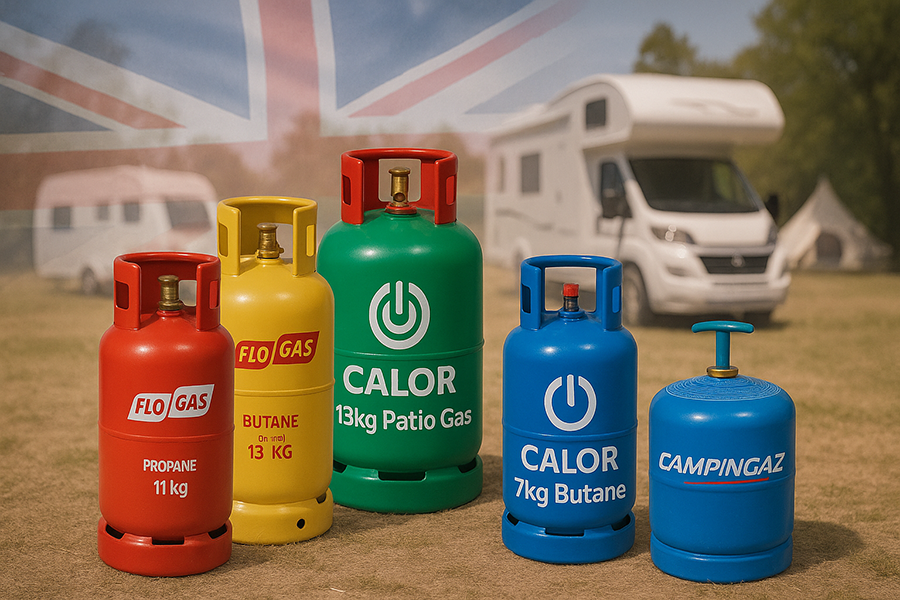
British cylinders have different connections depending on the type of gas:
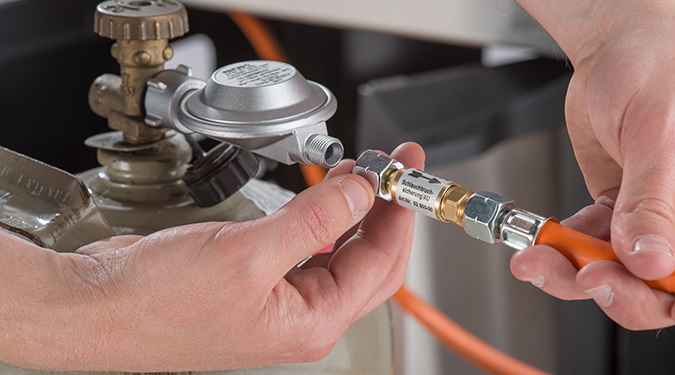
For operating German gas systems, a suitable adapter/connector or a pigtail with a UK connection (Brit. POL) is required. Adapter sets such as the GOK Euro Set contain the most common European connections.
Practical tip: It is best to purchase adapters before your trip from a specialist retailer. Finding them locally can be time-consuming, and not every dealer stocks all versions. Make sure you choose the correct adapter for your cylinder(s) (gas type) to avoid leaks and incorrect connections.
In Great Britain, LPG filling stations mostly use the bayonet coupling system. Vehicles with German ACME or dish filling points therefore require a suitable adapter. A complete Europe adapter set is recommended for flexibility across countries.
Only permanently installed tanks or certified refillable cylinders with automatic 80% filling stop may be refilled at autogas stations. Rental or exchange cylinders – including German ones – are excluded from self-refilling. This is strictly enforced at most stations.
The LPG supply network in the UK has become smaller in recent years, as many large petrol station chains have phased out autogas. However, there are still several hundred LPG stations, often at supermarket chains such as Morrisons or at Flogas depots. In Scotland, the distances between stations are greater, so careful planning is necessary.
Practical tip: Use apps and websites such as myLPG.eu or GasBuddy to identify filling options before and during your trip. Always plan a safety buffer and refill early, especially in rural regions or before weekends and holidays.

With the right preparation, suitable adapters, and a clear plan for gas resupply, gas supply in Great Britain is straightforward. If you are aware of the regulations, plan your trip accordingly, and remain flexible, you can cook, heat, and cool with ease – whether in England, Scotland, Wales, or Northern Ireland.
This blog will never ask members of the public or unqualified persons to make changes to or fiddle around with technical systems themselves.
In accordance with the Industrial Safety Regulation (BetrSichV), a qualified person must take care of a system which requires monitoring.
A qualified person is someone who has the specific specialist knowledge required. This knowledge is gained by way of a professional apprenticeship, corresponding professional experience or current occupational activity.
Please note that the texts are based on information, regulations and standards for Germany. Please always check the rules and regulations in the relevant country of destination and consult specialists if necessary.