
GOK shows which inspection and replacement periods must be complied with by the owner of a boat and details on inspecting the LPG system.
Inhaltsverzeichnis
GOK shows which inspection and replacement periods must be complied with by the owner of a boat and details on inspecting the LPG system.
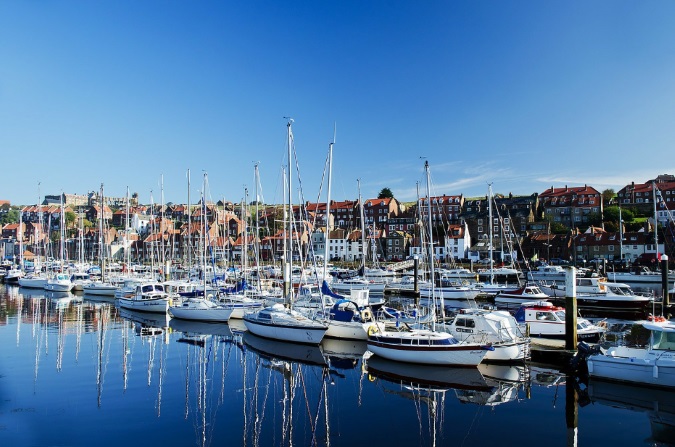
Something many people don’t know: Similar to the examination by TÜV for cars, the components of the LPG system – and not least the system itself – are subject to defined inspection and replacement periods on boats and ships.
The type, scope and time are defined in worksheet G 608 of the German Technical and Scientific Association for Gas and Water (DVGW) with the working title “Small water crafts – Operating and inspecting the LPG system”.
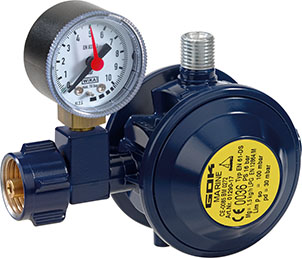
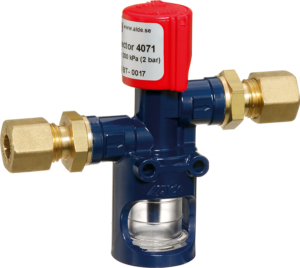
The components of the LPG system, such as the pressure regulator, hose assembly and shut-off device, are subject to a high degree of load in most cases. This is why the worksheet clearly says: If you detect a defect as the owner or user of the boat, you must replace the damaged parts immediately with new ones.
Pressure regulators and hose assemblies are such important components for the safe operation of the gas supply that they must be replaced after six years at the latest. Two things are important to know:
In the GOK blog, we have already published articles showing you how to find out the date of manufacture of the pressure regulator or the year of replacement of the hose assembly.
In principle, there are three test times for water crafts:
The thing that all three have in common is that you, as the operator, must contract a specialist to carry out the inspection. The operator themselves can always perform a simplified leak check to check the operating safety of the gas supply. This article helps:How do I carry out a simplified leak check on an LPG cylinder system?

Finally, we would like to give the operators of boats, sailing boats and similar the most important aspects from DVGW worksheet G 608 for the individual inspection.
Inspection before start-up
Before the initial start-up of the water craft, a specialist must check the LPG system on board. The operator does not need to do this if the manufacturer or a specialised company has provided a certificate which documents compliance with the requirements of DIN EN ISO 10239.
Recurring inspection
At the latest 24 months after the first inspection, you must have the boat inspected again by a specialist. Among other things, they carry out a visual inspection as well as a leak check and a fuel check. The inspection is deemed to have been carried out on time if you have it done by the expert before the end of the month in which it is due.
Inspection after modification
If you have the gas supply on your boat changed or made modifications to it in terms of the characteristics, arrangement or operating mode, a specialist must check the system before start-up. This does not apply to replacing a gas cylinder.
All three test conditions have in common that the expert issues a test certificate for the operator to document the proper condition of the LPG system.
This blog will never ask members of the public or unqualified persons to make changes to or fiddle around with technical systems themselves.
In accordance with the Industrial Safety Regulation (BetrSichV), a qualified person must take care of a system which requires monitoring.
A qualified person is someone who has the specific specialist knowledge required. This knowledge is gained by way of a professional apprenticeship, corresponding professional experience or current occupational activity.
Please note that the texts are based on information, regulations and standards for Germany. Please always check the rules and regulations in the relevant country of destination and consult specialists if necessary.


